Some of you may remember the first time you walked into a good WeWork. The lobby felt like a crossroads, early-stage companies and established ones sharing the same coffee machine, a genuine sense that something was beginning. It felt, briefly, like a new kind of work culture.
That was ten years ago. WeWork is now essentially a contemporary Regus. The companies that took over those spaces have quietly removed whatever character remained. The fish-bowl offices, all glass, where you sit like a specimen being observed by no one in particular. I stopped going.
I have been a remote worker for fifteen years. Headquarters in San Francisco, Toronto, London. The kind of arrangement where you are always responsible for finding your own place to sit and think. Most of the time that meant somewhere with flat surfaces and acceptable coffee, a place designed to be cleaned easily rather than worked in comfortably. A waiting room with wifi. I found libraries and Soho Houses, when I could get in, to be considerably better. The rest of the time I managed.
Then a few months ago I walked into The Malin in SoHo, New York.
I will admit I was sceptical. I had been burned before by photographs that made a sterile room look warm through some careful cropping and flattering light. I was in the city for meetings and needed somewhere to sit, so I rolled the dice.
It was different. You could feel it before you had sat down.
The space was well designed in the way that a great boutique hotel lobby is well designed. Someone had made actual decisions about it rather than defaulting to whatever looked inoffensive on a mood board. Wood surfaces, real furniture, a mix of open areas and conference rooms and phone booths and private offices that were actually private, not glass observation tanks. But more than the physical space, there was energy in the room. People were engaged, moving, talking. It felt less like a co-working facility and more like the kind of office you might actually want to have, if you could design one from scratch and money was not the primary constraint.
Whatever was happening in that room, it made the work easier. I cannot fully explain it.
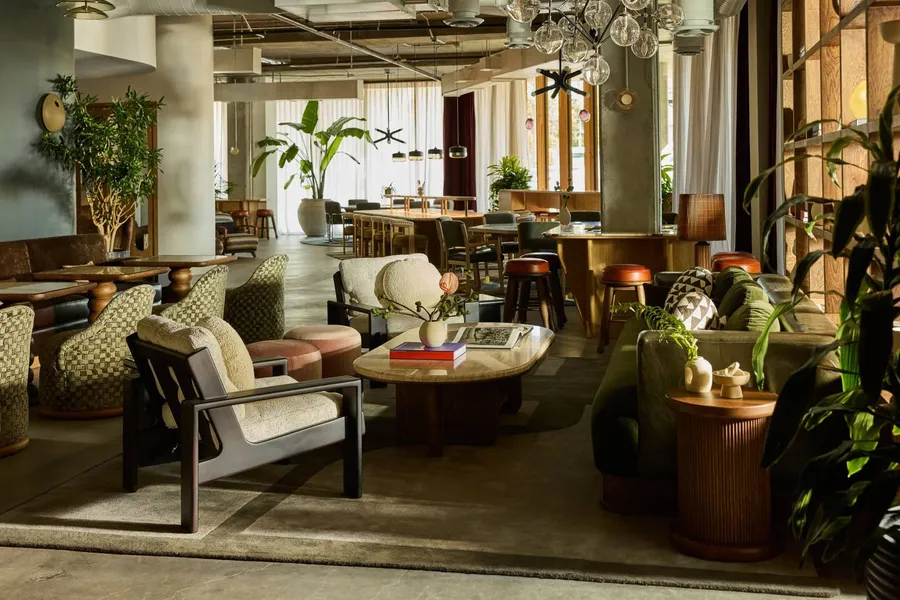
I sat down and worked for four hours without really noticing. That is the thing I keep coming back to. Whatever was happening in that room, it made the work easier. I cannot fully explain it.
Since that first visit I have been to their NoMad and Flatiron locations. Each one was better than the last.
They are expanding fast. Open now in Nashville, Savannah, Austin and East Austin, with Brooklyn Heights, Boston Seaport, Orange County, San Francisco, Washington DC and Park City all coming soon. Memberships are available for regular users, dedicated desks for those who need them, private offices for those who need more. I pay for a day pass every time I am in the city. I keep going back.
One honest warning. The spaces are good enough that they get crowded. Show up late in the morning in New York and the seats you want will be gone, the phone booths occupied. I do not know if this is consistent across all locations. What I can tell you is that I would rather be in a crowded Malin than an empty version of anywhere else I have worked.
I am not paid by them. I paid for every visit.